Purple Faux Embroidery Alphabet Clipart
First Impression: Bold, Playful, and Instantly Recognizable
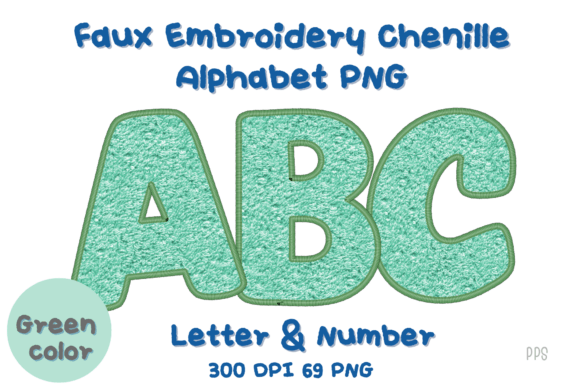
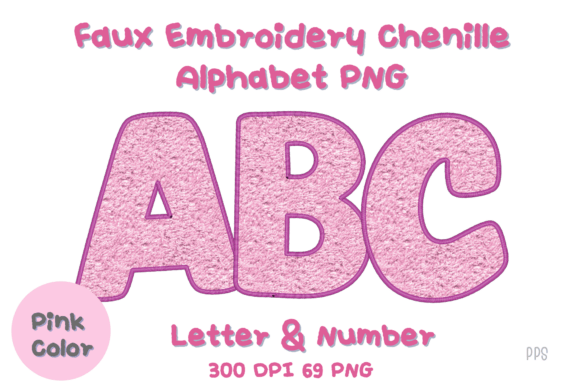
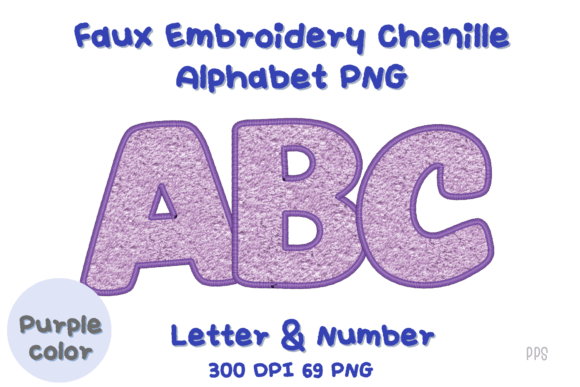
As an embroidery designer who’s curated booth displays for over twelve craft fairs—and shipped thousands of embroidered tote bags, tea towels, and patches—I opened Purple Faux Embroidery Alphabet Clipart expecting charm with clarity. What stood out immediately was its confident purple tone paired with that “faux embroidery” aesthetic: soft stitch-like texture, subtle shadowing, and clean letterforms that read as handcrafted—not digital. It’s not rustic or farmhouse; it’s modern-cute with a boutique sensibility. Think small-batch apothecary labels, lavender-scented gift sets, or minimalist baby shower totes. Customers at the fair don’t pause to decode style—they feel it. And this alphabet delivers warmth, intention, and handmade credibility in one glance.
Where It Shines on Craft Fair Products
Purple Faux Embroidery Alphabet Clipart excels where legibility meets personality. On a natural linen tote bag? Perfect—large-scale letters pop without looking heavy. On a cotton apron pocket? Ideal for monogramming names or “Bake” / “Brew” / “Grow” accents. Tea towel embroidery benefits most: the 300 dpi PNG holds crisp edges even when resized to 4–6 inches wide, and the transparent background lets the fabric’s weave show through subtly—enhancing perceived texture and authenticity.
For embroidered patches, the design translates well if converted to a machine embroidery file with balanced stitch density—just avoid cramming all 26 letters onto one patch. Smaller items like fabric pouches or pillow covers work best with single initials or short words (“Joy”, “Violet”, “Petal”)—the purple tone lifts neutral fabrics beautifully. Caps? Use sparingly—curved surfaces blur fine faux-stitch detail, so stick to front-panel placement with letters no smaller than 2.5 inches tall. As a printable mockup for Etsy listings, it’s gold: clean, consistent, and instantly communicates “handmade quality” without requiring actual stitching upfront.
What Makes It Sell—Fast
- At-a-glance readability: No decoding needed. Shoppers scanning your booth see “purple”, “letters”, and “embroidery vibe” in under two seconds—critical in crowded craft fair aisles.
- Scalability without sacrifice: The 300 dpi resolution means you can shrink it for a tag label or blow it up for a market bag banner—all while keeping edges sharp and color rich.
- Photogenic consistency: Purple reads true across lighting conditions (no muddy grays or blown-out highlights), making product photos look cohesive across your Etsy shop, Instagram grid, and printed booth signage.
- Batch-friendly versatility: Whether you’re embroidering 12 matching aprons for a local café or printing 50 lavender-scented sachet tags, Purple Faux Embroidery Alphabet Clipart supports repeatable, brand-aligned output.
Careful-Use Notes Every Designer Should Know
This isn’t a “drop-in-and-stitch” graphic—it’s a design asset that rewards thoughtful application. Tiny lowercase letters (especially i, j, l) lose definition below 1.25 inches on textured towels or thick canvas. On dark fabric, test thread contrast first: standard purple thread may mute against charcoal or navy unless you opt for metallic or high-sheen rayon. Avoid dense stitch clusters in tight curves—the faux-embroidery effect relies on spacing; overcrowding flattens the illusion.
Cap embroidery demands extra attention: curved surfaces distort fine line work, so simplify letter spacing and skip serifs or inner cutouts. And never assume the PNG converts cleanly to a commercial embroidery file—stitch density, jump thread management, and underlay must be rebuilt by a digitizer. If you're selling finished products, confirm commercial licensing applies to *your* use case before listing on Etsy or wholesale platforms.
How It Elevates Your Booth & Brand
In person, Purple Faux Embroidery Alphabet Clipart adds visual rhythm to your display. Pair it with dried lavender bundles, matte purple ribbons, and unbleached cotton—suddenly your table reads as intentional, curated, and premium. Buyers associate that cohesion with higher perceived value, even on $24 tote bags. It also strengthens brand consistency: using the same alphabet across tea towel tags, patch backing cards, and social media banners builds recognition faster than any logo alone.
Most importantly, it invites engagement. Shoppers love personalization—“Can you add my daughter’s initial?” is easier to fulfill when you already have a polished, scalable alphabet system. That question often leads to upsells: a monogrammed pouch + matching pillow cover + custom apron set. That’s how craft fair foot traffic becomes loyal customers.
Embroidery Designer’s Practical Checklist
- Test Purple Faux Embroidery Alphabet Clipart on scrap fabric matching your final product—linen, terry cloth, twill cap material—before cutting into inventory.
- Check thread contrast on both light and dark substrates; consider blending two purples or adding white outline stitches for definition.
- Review letter spacing at intended size—tight kerning looks elegant on screen but can stitch poorly on uneven fabric.
- Confirm hoop size compatibility: large letters may require 6x10" or larger hoops, especially for dense fills.
- Inspect stitch density in conversion—if digitizing yourself or hiring a digitizer, request a test sew-out to verify coverage and texture fidelity.
- Use appropriate stabilizer: cutaway for knits, tear-away for stable wovens, and heavy cutaway for terrycloth towels.
- Create at least one real mockup—photograph it in natural light alongside your other craft fair products to assess visual balance.
- Compare how the purple renders on different fabric bases: oatmeal linen vs. ivory cotton vs. heather gray—adjust saturation in mockups if needed.
- Verify licensing scope: this is a digital embroidery file for DIY projects, but commercial resale of finished goods requires confirmation of extended rights.
Final Thought: A Smart, Scalable Design Asset
Purple Faux Embroidery Alphabet Clipart isn’t just another graphics download—it’s a strategic tool for makers who understand that craft fair success hinges on speed, consistency, and emotional resonance. It bridges digital convenience with tactile appeal, supports batch production without sacrificing uniqueness, and helps handmade products stand out in saturated markets. For Etsy sellers, small shop owners, and embroidery business operators alike, it’s less about “adding letters” and more about reinforcing a story: thoughtfully made, intentionally styled, and ready to become someone’s favorite everyday object.