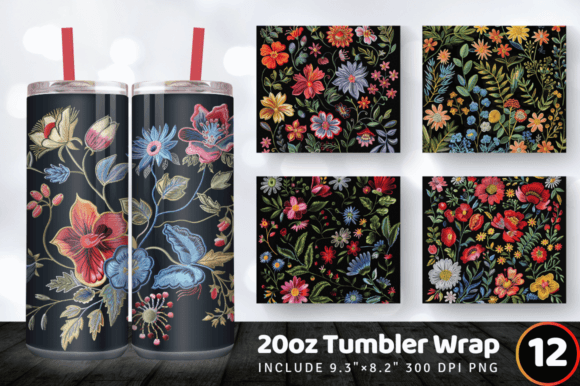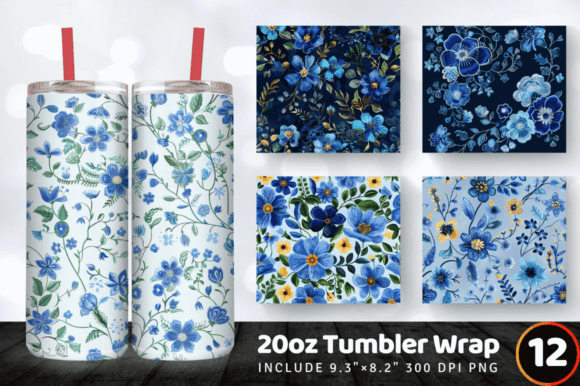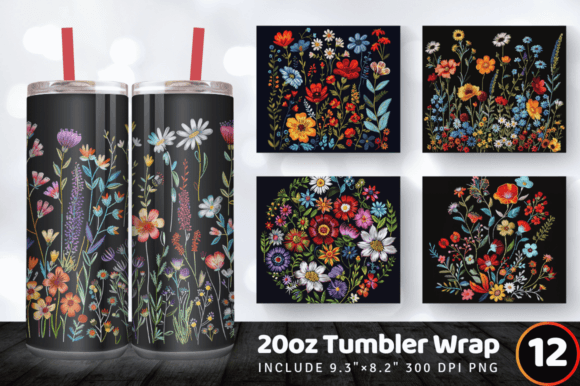
Botanical Embroidery Tumbler Wrap
A Designer’s First Look: Charm, Clarity, and Quiet Confidence
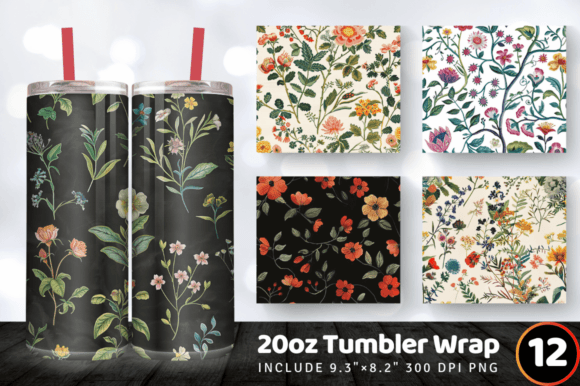
As an embroidery designer who’s stitched over 3,000 custom orders—from baby onesies to wedding linen bundles—I opened the Botanical Embroidery Tumbler Wrap with quiet anticipation. Not for its function on a tumbler (though that’s clever), but for what it *suggests*: delicate line work, intentional negative space, and botanical motifs that breathe rather than overwhelm. The high-resolution PNG delivers exactly that—clean edges, subtle leaf layering, and a soft, hand-drawn rhythm that feels both timeless and gently modern. It doesn’t shout “trendy.” It whispers “thoughtful.” That makes it ideal for personalized gifts where emotional resonance matters more than flash: a newborn’s first embroidered towel, a bridesmaid’s keepsake apron, or a grandmother’s monogrammed pillow cover.
Where This Design Truly Blossoms
The Botanical Embroidery Tumbler Wrap isn’t just a tumbler graphic—it’s a versatile embroidery foundation. Its straight-wall layout translates beautifully to flat, stable surfaces common in handmade gifting:
- Baby embroidery: Stitched onto organic cotton receiving blankets or muslin swaddle wraps, the design reads as tender and nurturing—not fussy. Pair it with a single initial or birth date for instant heirloom appeal.
- Wedding gift: Embroider it onto linen napkins, cotton tea towels, or canvas tote bags for the couple’s registry. Its elegance supports monograms without competing—ideal for couples who love garden weddings or minimalist aesthetics.
- Nursery decor: On a neutral-toned pillow cover or framed wall hanging, the botanical motif feels calming and grounded—no plastic florals needed.
- Small shop product: Etsy sellers can bundle it with coordinating thread palettes and printable mockups, positioning it as a “ready-to-stitch premium botanical set” rather than just another digital file.
- Custom order previews: Use the PNG to generate realistic digital embroidery mockups—especially helpful when clients need visual confirmation before committing to a full blanket embroidery or embroidered tote bag order.
Where to Proceed With Care
Like any well-intentioned botanical, this design thrives under thoughtful conditions—and needs gentle guidance on certain substrates:
- Small lettering & fine details: While the PNG is high-resolution, machine embroidery translation depends heavily on your digitizer’s skill—or your software’s auto-digitizing settings. Always test stitch on scrap fabric before committing to a finished product like an embroidered towel or pillow cover.
- Textured or thick fabrics: Avoid dense terry cloth towels or heavy quilting cotton unless you reinforce with cutaway stabilizer and reduce stitch density manually. Delicate stems may disappear into pile.
- Stretchy or curved surfaces: Though designed for straight-wall tumblers, don’t assume it adapts easily to baby bodysuits or curved mugs. Stick to flat, stable items like aprons, tote bags, or blanket corners.
- Dark fabric: The design’s light-line charm relies on contrast. On charcoal or navy, consider adding a white underlay or switching to ecru/cream thread colors—then verify results with a printed mockup first.
- Frequent-wash items: For kitchen towels or baby products, confirm your thread colors are colorfast and your stabilizer choice supports repeated laundering without puckering.
Why Customers Reach for This—Beyond the Stitch
In my shop, the Botanical Embroidery Tumbler Wrap consistently lifts perceived value—not because it’s complex, but because it signals care. Customers recognize handmade quality when they see balanced spacing, intentional detail, and botanical authenticity (no generic clipart leaves here). That builds trust, especially among Etsy shoppers comparing dozens of digital embroidery files. When paired with natural fibers and soft thread tones, it deepens emotional connection: a new parent sees comfort; a bride sees lasting beauty; a small business owner sees cohesive branding potential across towels, totes, and pillow covers.
It also simplifies product photography. The clean lines and organic flow photograph beautifully against wood, marble, or linen backdrops—no heavy editing needed. That means faster listings, stronger buyer engagement, and higher conversion for handmade sellers juggling inventory, marketing, and fulfillment.
Practical Embroidery Notes You Can’t Skip
Before stitching your first Botanical Embroidery Tumbler Wrap–inspired piece, run through these essentials:
- Test on scrap fabric—same type and weight as your final product—to assess stitch density, thread tension, and stabilizer performance.
- Check thread color contrast on both light and dark fabric swatches. A digital mockup isn’t enough—stitch it.
- Confirm hoop size compatibility. Even if the design fits digitally, ensure your machine’s largest hoop accommodates the full layout comfortably.
- Review stitch density—especially around leaf veins and stem junctions. Overly dense areas may pucker thin fabrics like voile or rayon.
- Use proper stabilizer: tear-away for stable cottons, cutaway for knits or stretchy blends, and water-soluble for delicate lace overlays.
- Compare light/dark fabric mockups side-by-side before listing. What reads softly on ivory may vanish on slate gray.
- Check small details after stitching: Are tiny buds legible? Do stems hold shape without fraying? Adjust digitizing or tension if needed.
- Verify commercial licensing before selling finished products. Since this is a digital embroidery file sold as a graphics download, confirm whether resale of embroidered items is permitted—and whether credit or attribution is required.
A Quiet Staple for Meaningful Making
The Botanical Embroidery Tumbler Wrap won’t dominate your shop banner—but it will earn repeat customers. It’s the kind of design that lives quietly in nursery corners, folds neatly into wedding welcome bags, and lands softly in Etsy carts alongside “personalized gift” and “handmade product” searches. For embroidery makers, gift shop owners, and small business creators, it’s not just another graphics file. It’s a trusted collaborator—one that helps turn cotton, linen, and intention into something people keep.