Battery Embroidery Design Review
First Impression: Friendly, Modern & Tech-Forward
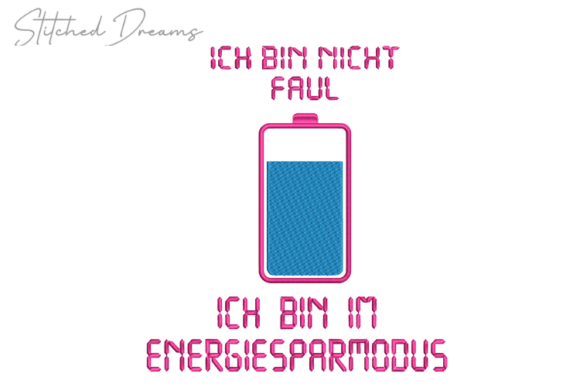
As an embroidery designer who’s digitized over 2,000 commercial projects for small businesses—from artisan bakeries to indie tech studios—I opened the Battery Embroidery Design file with cautious optimism. The title alone signals intention: this isn’t just decorative—it’s thematic, functional, and conceptually grounded. “Power up your embroidery projects” isn’t marketing fluff; it’s a design promise. Visually, the battery motif reads as clean, modern, and approachable—not overly technical or sterile. It avoids cartoonish exaggeration while retaining warmth, making it equally at home on a café apron as it does on a boutique tote bag. Though listed under Friends Quotes, its visual language is rooted in Embroidery first—structured, stitch-aware, and built for real-world execution.
Real-World Business Use: Where This Design Shines
The Battery Embroidery Design excels where small businesses need subtle brand reinforcement—not loud logos, but quiet confidence. Think of a local florist adding it as a sleeve detail on staff aprons (“charged with care”), or a handmade soap brand stitching it onto cotton muslin gift bags (“powered by plant-based goodness”). It works exceptionally well as a 2-inch embroidered patch sewn onto denim jackets for pop-up market vendors—or scaled down to 1.25 inches for cap fronts on barista uniforms. For creative studios and Etsy sellers, it serves as a clever chest accent on unisex work shirts, reinforcing craftsmanship without overt branding. On tote bags used for customer gifts or event merch, the battery motif becomes a tactile conversation starter—friendly, memorable, and surprisingly versatile across industries.
Smart Applications Across Merch Categories
- Staff uniforms: Perfect as a secondary logo near the pocket or cuff—adds cohesion without competing with primary branding.
- Apron embroidery: Holds up beautifully on medium-weight cotton canvas when digitized with balanced stitch density.
- Cap embroidery: Performs well on structured front panels if sized appropriately (1.5–2 inches wide) and tested on curved surfaces.
- Tote bag design: Gains visual weight when stitched in matte poly thread on natural canvas—enhances handmade product perception.
- Product packaging accents: Works as a small embroidered tag on reusable jars or linen pouches—elevates perceived value.
- Commercial embroidery projects: Integrates cleanly alongside other design assets like monograms or minimalist icons for cohesive brand systems.
Cautions for Production: Know Its Limits
Like any machine embroidery design, the Battery Embroidery Design demands thoughtful placement. Avoid using it below 1 inch in height—fine details (like terminal lines or subtle shading) risk fill distortion or thread breakage on tiny patches. Cap fronts require extra attention: test the design on a real cap blank before bulk production, especially if using textured twill or low-profile foam fronts. Dark uniforms demand high-contrast thread colors—avoid light grays or pale yellows unless paired with underlay stabilization. High stitch density areas (such as tightly rendered battery casing) may require additional stabilizer on lightweight or stretchy fabrics like tri-blend tees. And always verify wash durability: if destined for aprons or workwear, confirm thread colorfastness and backing integrity after repeated laundering.
Brand Identity Impact: More Than Just a Motif
This isn’t just a battery—it’s a signal. When customers see the Battery Embroidery Design on a small business’s merchandise, they subconsciously register energy, reliability, and forward-thinking craft. For handmade brands, it reinforces authenticity—not through cliché “hand-stitched” cues, but through intentional, tech-savvy design thinking. It strengthens brand identity by offering visual consistency across touchpoints: same motif on staff caps, tote bags, and packaging tags creates rhythm and recognition. That consistency builds trust. Customers begin associating that clean, confident shape with quality—and that association transfers directly to perceived product value. On Etsy or local markets, it differentiates your offerings from generic clipart-style embroidery files. It says: *We invested in design, not just decoration.*
Practical Designer Notes Before You Stitch
Before sending the Battery Embroidery Design to production—or sharing it with clients—follow these field-tested steps:
- Test it in black and white first: assess clarity of outlines and spacing without color distraction.
- Check performance at your smallest intended patch size—does the negative space hold? Do terminals stay distinct?
- Review thread color contrast against your target fabric—especially for darks or heathers.
- Inspect spacing between elements: tight gaps may close up during stitching without proper underlay.
- Confirm hoop size compatibility—some battery motifs include horizontal width that exceeds standard 4x4 hoops.
- Test on real fabric with your preferred stabilizer—fabric texture dramatically affects stitch definition.
- Create a printable mockup for client approval—show scale, placement, and thread palette options.
- Compare it beside your existing design assets—does it harmonize in weight, style, and proportion?
- Verify commercial licensing terms—this is essential for small business merch, custom apparel, and resale items.
Remember: even a “versatile” digital embroidery file only delivers value when treated as part of a deliberate production workflow—not dropped in and stitched blindly. The Battery Embroidery Design rewards that diligence with professional results across apron embroidery, cap embroidery, tote bag design, and beyond.